
We work with health, government, and not-for-profit organisations at Laundry Lane, which means we spend a lot of time asking people to share difficult parts of their lives on camera.
Over the next four emails we are sharing what we think are the some of the underexamined issues in ethical content production for our sector.
First up: consent.
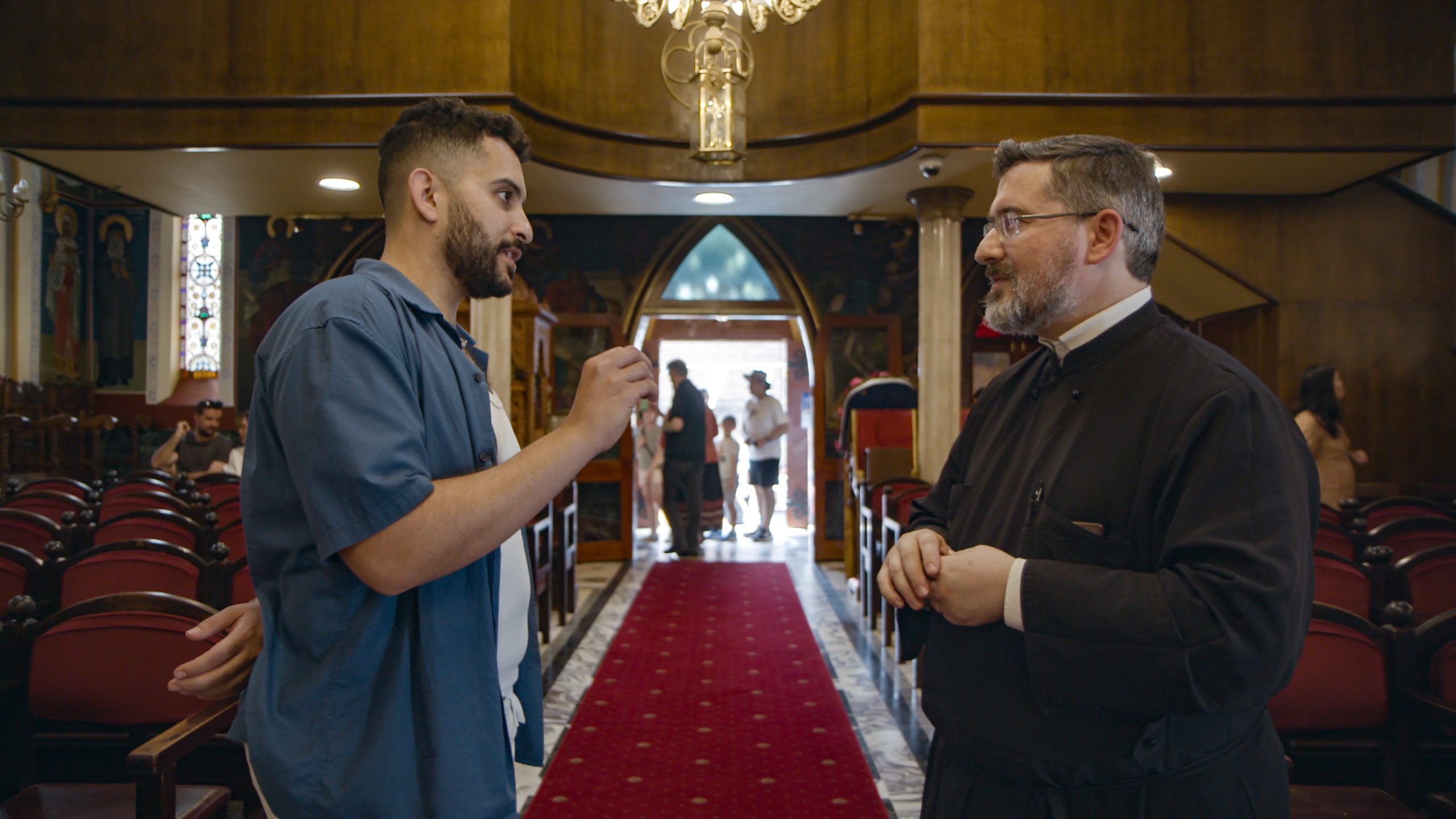
Most Australian health and social impact organisations have a consent form, not an informed consent process.
Informed consent requires that a contributor understands, before they agree, what the content will be used for, where it will appear, who is likely to see it, how long it will be kept, and that they can say no without any impact on their relationship with your organisation or their access to its services. Fairpicture’s research into visual content consent identifies three structural problems with how most organisations approach this.
Consent processes tend to be one-directional, contributors are told what will happen rather than asked what they are comfortable with. They are ambiguous: forms rarely specify how content may be edited, archived, or redistributed in the years after production. And they are static: once signed, there is typically no mechanism for consent to be revisited or revoked. A participant at a community health initiative signed a consent form on the day of filming and had no idea the footage would later be shown at an international conference.
Publication risk is a separate issue again, and one that outlasts the shoot by years. A person filmed discussing a mental health experience, a housing situation, or a history of family and domestic violence has no control over where that image ends up once it enters your asset library. A woman who has left a violent relationship and agreed to be filmed for a community service campaign may not have considered that footage could eventually reach people she is hiding from. Most consent processes do not ask her to think about that. They should.
There is also a power dynamic that most production processes do not account for. People filmed for health campaigns, community service organisations, or government programmes often have an existing relationship with the commissioning body and may depend on its services. In that context, being asked to participate feels less like an invitation and more like an expectation. The Dignified Storytelling Handbook is direct about this: storytelling is an act of power and contributors are usually the people with the least of it.
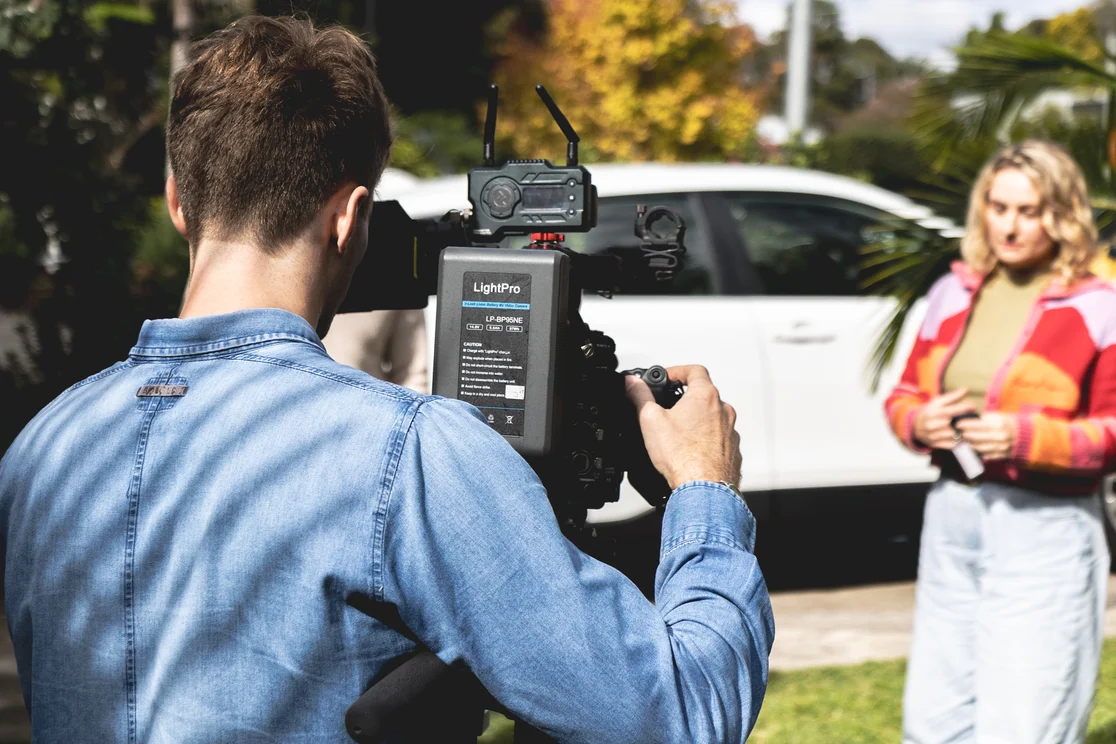
What this means in practice
- Hold the consent conversation before the shoot day, not on it.
A contributor who meets your crew for the first time on location and is handed a form to sign does not have adequate time to consider what they are agreeing to. Factor a pre-visit or proper briefing conversation into the production budget. - Show contributors examples of finished content before they sign.
People consent more meaningfully when they can see what they are actually agreeing to, not just read a description of it. - Ask directly whether there is anyone in their life they would not want to see this content.
Their employer, a family member, someone in their community. The answer to this question sometimes changes what you produce and how. - Set a use-by date.
The Bond ethical guidelines recommend treating three to five years as the standard lifespan for any image or story, after which re-consent is required. Australia’s National Statement on Ethical Conduct in Human Research 2023 requires the same. Most organisations do not include either consideration in their consent process, which means they are routinely using images of people who agreed to something quite different.
