
A government program is a line in a budget until someone puts a face to it. Whether that’s a parent who found support after financial hardship or a young person who got into housing.
Which is exactly why lived experience case studies are so powerful. But asking someone to say that on camera is still a big ask. These are everyday people talking about some of the hardest parts of their lives, and once the camera’s off, that story keeps going, sometimes for years after the shoot wraps, seen by neighbours, employers and family.
That’s why we think so much about how we treat the people in front of the camera. It shapes whether the story gets told well, and whether the person feels okay about how it went. It also shapes how their community feels about the program afterwards.
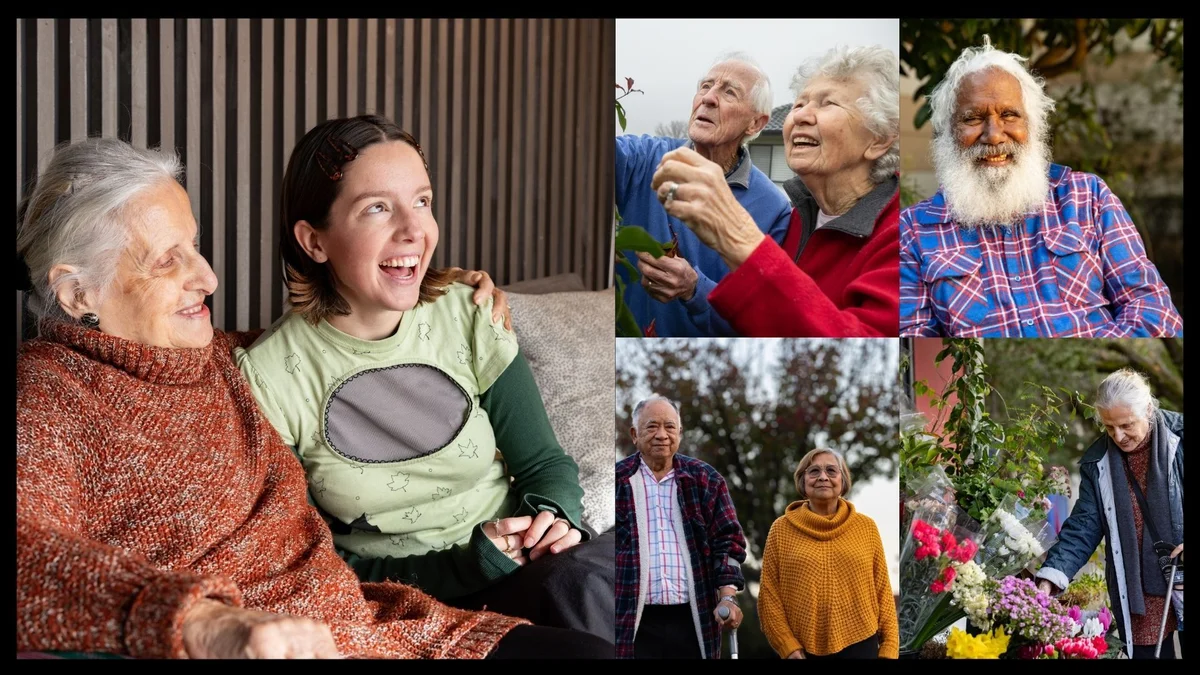
What trauma-informed looks like for us
Everymind, the team behind Australia’s Mindframe guidelines, surveyed over 300 people who’d publicly shared experience of suicide while building new national guidelines called Our Stories Matter. One thing that kept coming up was burnout, what the researchers called the real human cost of advocacy. We don’t take that as a reason to stop telling these stories, but just a reminder of the care that storytellers deserve.
In practice, that looks like:
- Meeting them before the shoot, so the first real conversation isn’t happening with a camera already on them
- Letting them choose what they share, rather than steering them toward whatever will cut together best
- Having a support person around, with a referral ready if things get heavier than expected
- Having time after the filming to debrief, have a chat and check in
- Showing them the edit before anyone else sees it, and genuinely changing something if they ask
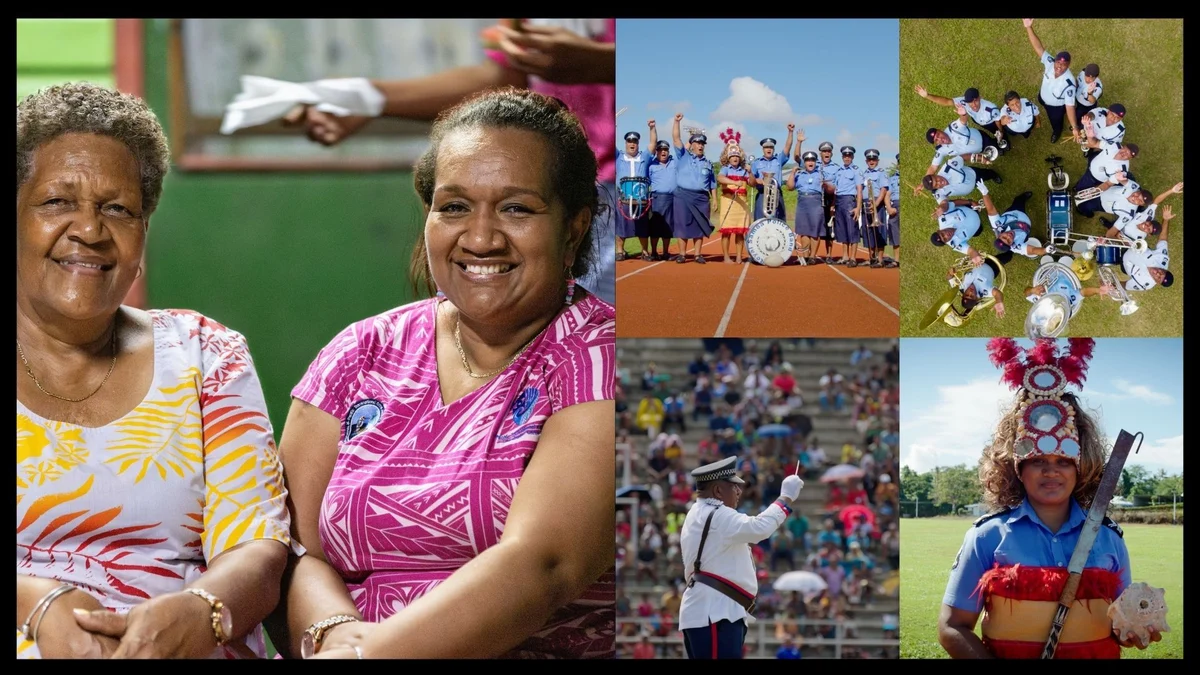
The long life of a story
In 2022, a Quebec government used footage of a local woman in a campaign ad backing the party. Her family said she’d agreed to take part believing it would be one of several ordinary-voter testimonials, not the centrepiece of a political ad, and that she was paid $250 for it. When it became public, opposition parties called for the ad to be pulled and questioned whether she’d actually consented to what it turned into. Nobody involved necessarily acted in bad faith. It’s just what happens when a story’s future use isn’t settled at the start.
Worth settling early:
- How long the video will stay live, and who checks in with the person before it’s reused
- Whether they can ask for it to come down, and how fast that can happen
- Whether taking something off public view is the same as deleting it from the record (often it’s not, worth a chat with legal and records teams)
- Whether identifying details need to change to keep someone safe
Laundry Lane has built its practice around sensitive storytelling for government, health and community organisations.
If you’re planning a campaign that’ll feature someone’s lived experience, we’d love to talk you through how we can help you ensure it is done in the most caring and ethical way.
