As part of our Year of the Storyteller series, I want to talk about editing.
Editing is where the ethical weight of a story is carried. This is the stage where human judgement matters most, and where not everyone makes the same choices.
How ethical considerations show up in the edit
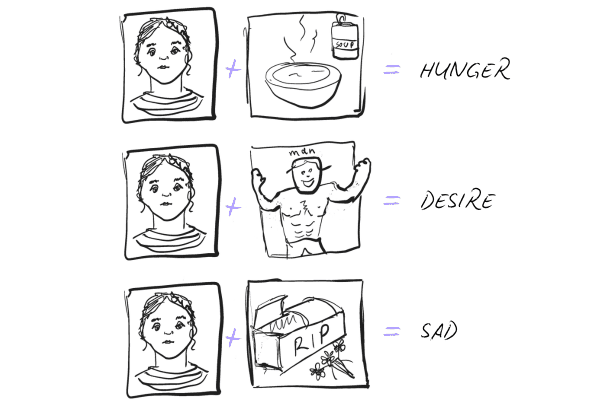
Editing has the power to manipulate meaning, even when the footage itself is real. The classic example is the Lev Kuleshov experiment, which showed how the same neutral face can appear compassionate, cruel, or indifferent depending on the image that follows it.
That power still exists today, and it is why editing demands care. What you cut, what you hold on, what you repeat, and what you remove all shape how a person is seen and understood.
Ethical editing means not keeping crying in for crying’s sake, but only when it genuinely serves the contributor’s story and message. It means making musical choices that do not reinforce stereotypes or emotional shortcuts. It means resisting the pull toward clickbait or sensationalism, even when it might perform better.
It also means actively choosing to show people as whole humans. Including moments of personality, humour, and everyday life through considered B-roll, rather than reducing someone to the most dramatic or painful part of their experience.
Balancing client needs with responsibility to contributors
Ethical editing also means navigating the tension between what a client wants and what is fair to the person sharing their story. That responsibility requires collaboration and conversation find the right balance. It requires understanding that contributors are not just subjects, but collaborators whose lived experience sits at the centre of the work.
At Laundry Lane, this is why we try our best to spend significant time in pre-production building trust and understanding what story the contributor actually wants to tell, not just what the brief is asking for.
It is also why we encourage clients to share edits with contributors, invite feedback, make changes where needed, and include trigger warnings when appropriate.
Why process matters as much as craft
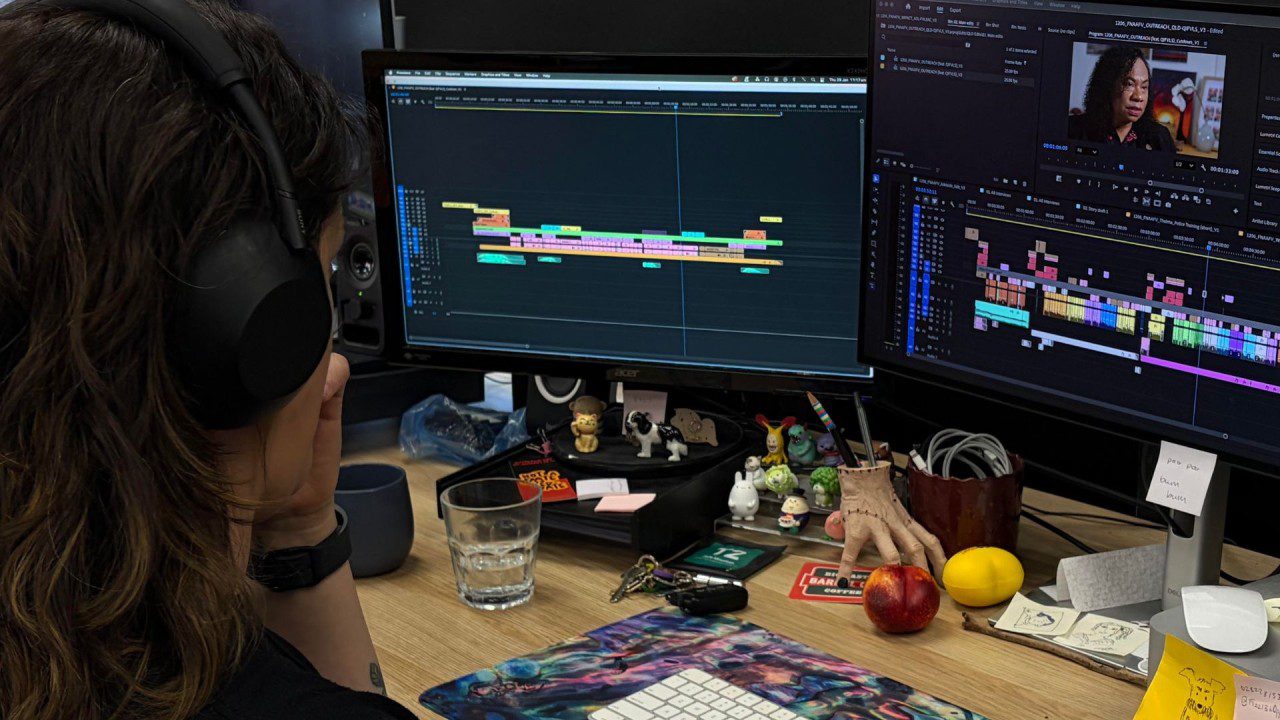
One of the ways this shows up in our work is through a deliberate production approach. The producer who conducts the interview is also the editor shaping the final film.
It means the person making editorial decisions understands the story deeply, has a relationship with the contributor, and carries a clear responsibility to do their story justice.
That continuity allows for nuance, restraint, and care that is harder to achieve when the edit is disconnected from the human context of the story.
Editing is where storytelling considers not just what makes a story compelling, but holds the person at the centre of their story.