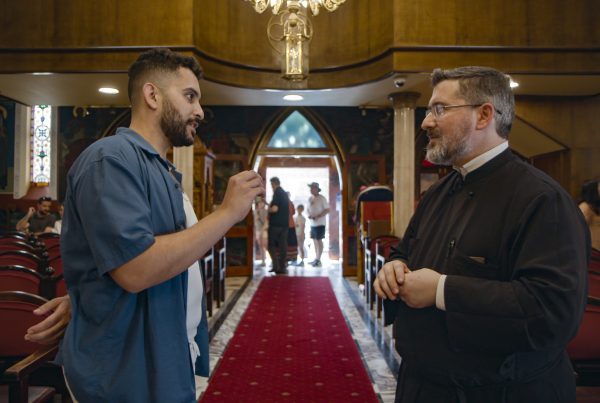
Every fundraiser knows the rush of launch day. The story lands, the film goes live, generosity flows, and for a moment the cause feels alive in the world.
Then the campaign ends. The inbox quiets, the donations plateau the video fades, and the people who gave are left wondering what happened next.
From the examples below, you’ll see how the space after giving is where the real storytelling begins, the kind that educates as well as inspires.
Because the future of fundraising storytelling is not just about making people feel something in the moment. It is about helping them learn their way into caring for the long term.
Why Understanding the Cause Matters More Than Ever
The landscape of giving is changing fast. Research from McCrindle’s NFP Insights: Empowering Impact report shows that while generosity remains strong, it is becoming more cause-driven and less tied to individual charities.
Sixty-eight per cent of donors now say the issue area matters more than the organisation itself. Younger donors, in particular, are shifting their support toward online and offline grassroots movements that explain their mission clearly, show proof of change.
As The Funding Network’s Kristen Lark notes, younger philanthropists are also becoming advocates. They share, post and participate when they truly understand the issue. They are not just giving; they are learning and then teaching others.
The Rise of the Educator-Storyteller
Across sectors, a new kind of storytelling is emerging that sits between communication and education. Organisations are using video not only to inspire but to teach.
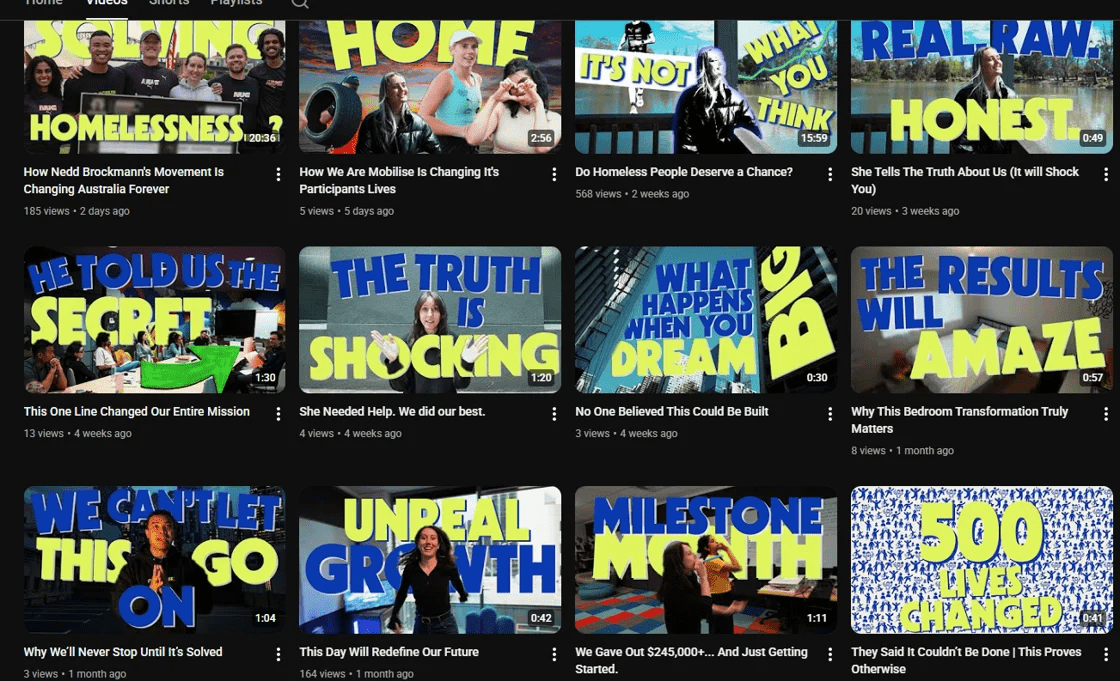
We Are Mobilise is one example. Their campaigns do not end when the cameras stop rolling. They have made education central to their mission, from social videos that bring homelessness into everyday conversation to national workshops that teach students and teachers what sleeping rough really means. Their storytelling builds empathy while giving people practical ways to act.
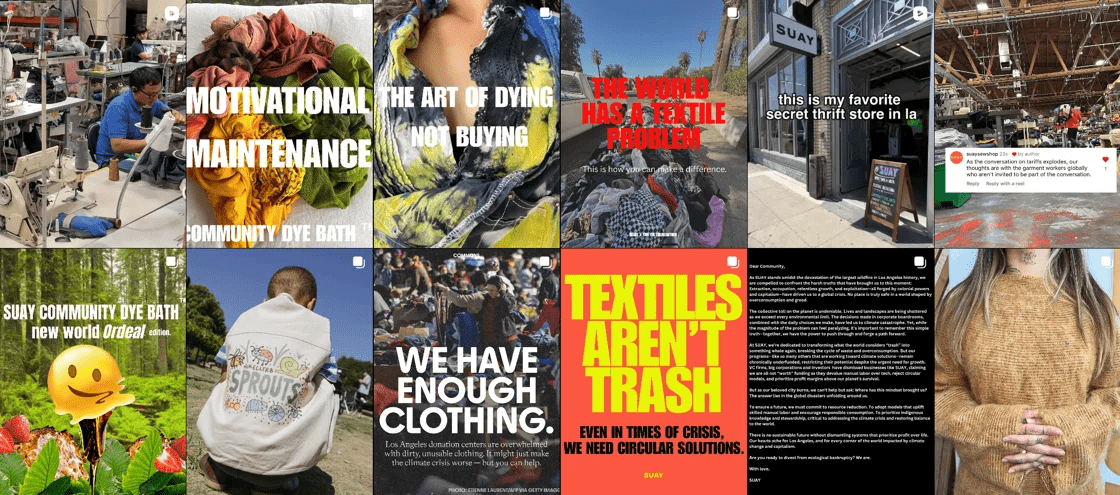
SUAY Sew Shop, a Los Angeles-based social enterprise, shows what it looks like when education becomes brand storytelling. Their social content dives into the real cost of fashion; from the mountains of furniture sent to landfill to the reality of garment worker conditions and the waste behind denim production. Every post feels like a lesson as much as a message. You do not need to buy anything to care; you end up learning your way into their mission.
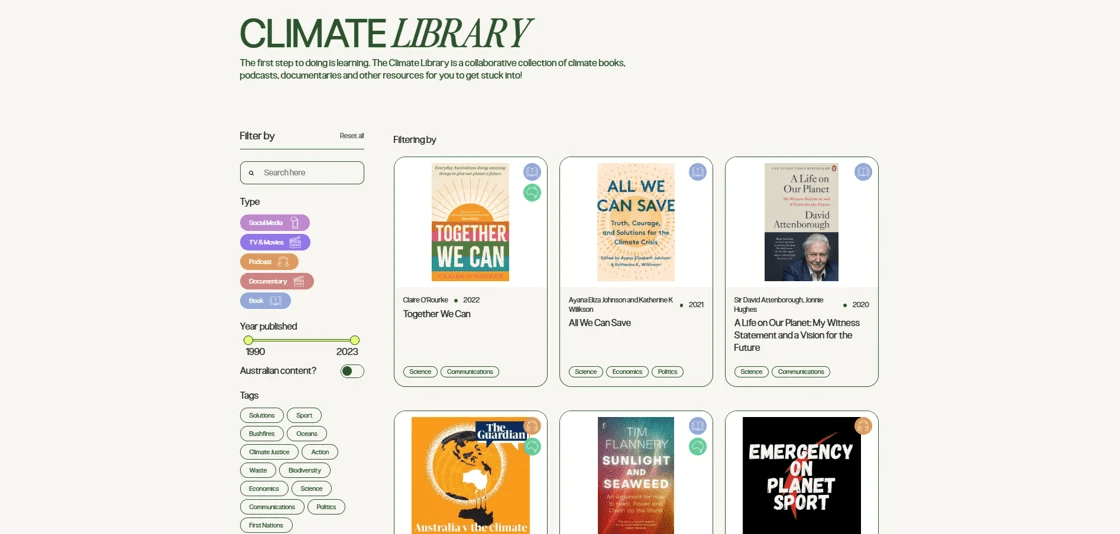
In Australia, Project Planet are reimagining learning for a new generation. Their “Climate 101” series turns complex science into accessible, shareable stories. They are not just teaching facts but giving people language to talk about change.
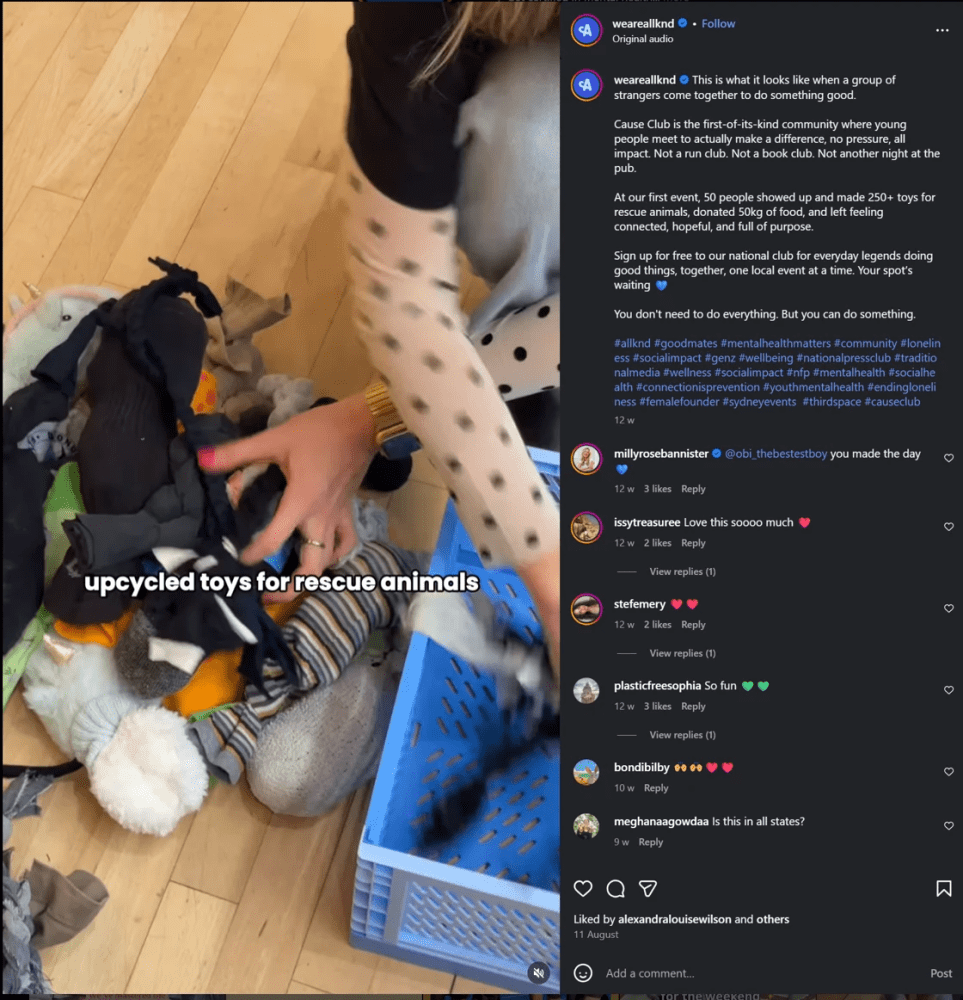
ALLKND – Social & Mental Health ‘s Cause Club is part of this same movement. It brings young Australians together around social issues, combining storytelling, education and collective action. Through hands-on projects and accessible resources, Cause Club helps people move from caring about a topic to understanding its roots and taking practical steps to make change. It turns awareness into participation, whilst sparking a a good amount of FOMO.
Stories That Teach
Video has the power to turn information into understanding. It can explain, humanise and show change over time, a quiet conversation, a shared moment, a glimpse of progress that rarely makes headlines.
When storytelling teaches, it builds belief. People start sharing what they have learned, bringing others in through understanding rather than emotion. That is when a story becomes a movement.