The Orange
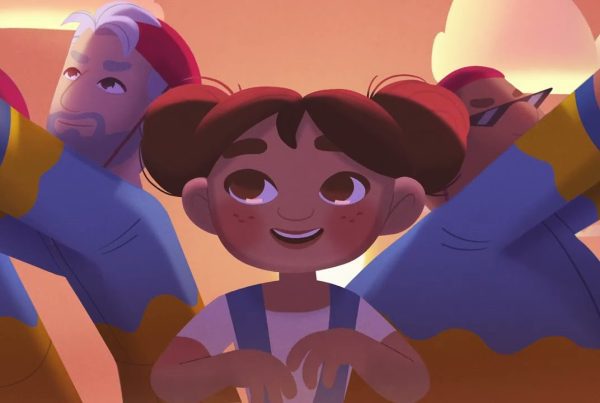
In the spirit of a short film, “The Orange” explains the emotional journey of diagnosis and treatment from a child’s perspective based on a real patient’s story. Metaphors like those in the film are commonly used by the staff at CHU Sainte-Justine to explain what is happening to their young patients in a way they can understand.
Stories of Secondary
There are now approximately 61,000 people living with secondary breast cancer in the UK, each with their own individual story to tell, but, as Breast Cancer Now has heard from many people living with the disease, they often feel overlooked within the community. This five-minute film, Stories of Secondary, gives us a rare opportunity to put the limelight on nine incredible women living with the disease.
Closer to You
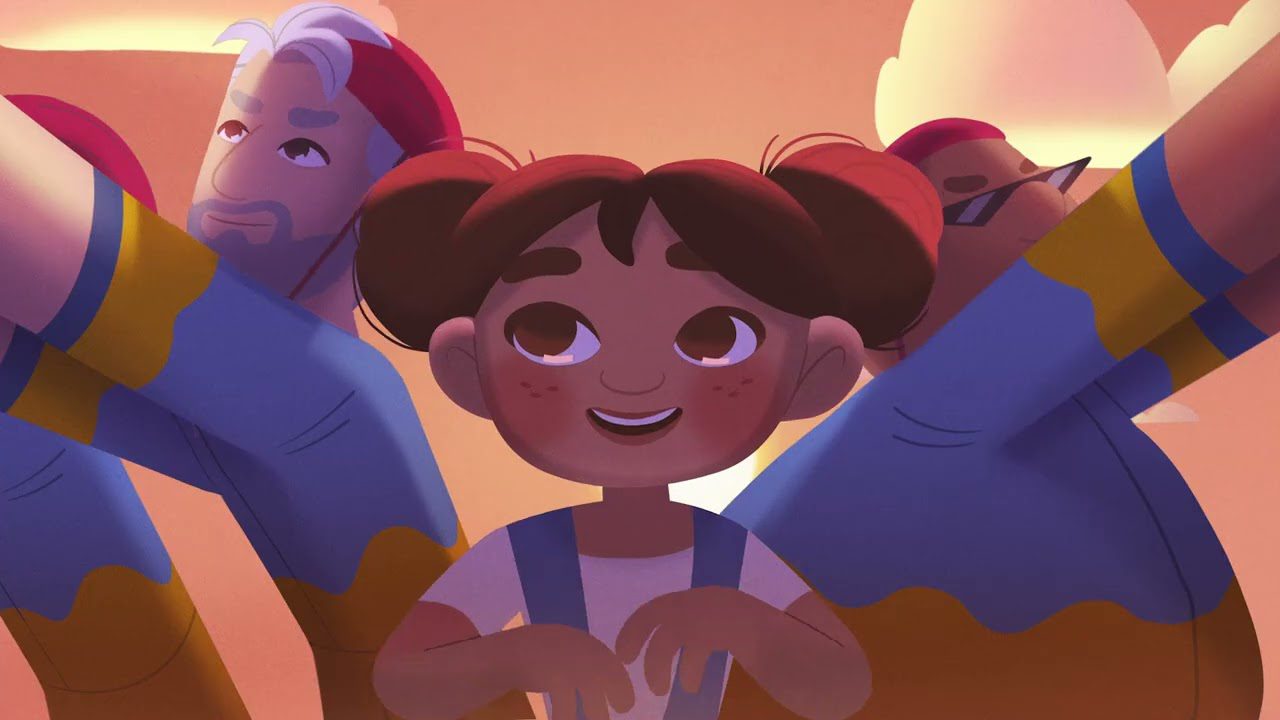
The campaign creatively explores the profound significance of closeness during difficult periods through the imaginative story of a young girl observing her family struggling with an undisclosed sadness. Driven by love and determination, she embarks on a whimsical midnight adventure, setting off with her entire house toward the city while her parents sleep.
Projecting Life
In each execution one child, however, is projected alone, ultimately illustrating the lifelong impact of baby loss. Inspired by conversations with bereaved adults across the UK, the campaign is a stark reminder of the preciousness of life and the long-term effect of living with loss. The powerful visuals evoke the profound sense of absence and unrealised potential that people live with after losing a baby.
One Powerful Place
The centerpiece is a short film narrated by Jon Stewart that tells “the story of the school for autism that changed the world,” using a fresh, irreverent tone that departs from traditional nonprofit communication and highlights NECC’s large-scale impact in autism education, clinical research, and staff development.
About a Girl
A minimalist charity film for APPA, a Slovak organisation supporting people with disabilities. The story follows a little girl with cerebral palsy through everyday routines, told entirely from wheelchair level through details, stillness and movement, until her first steps with her physiotherapist.
Stopping Suicide
Based on real stories from CALM service users and supporters, the film shows how we can all play a role in suicide prevention. It features four key storylines; a suicide survivor who used CALM’s services; someone bereaved by suicide taking on a fundraising challenge; someone experiencing suicidal thoughts contacting the charity’s helpline via its live chat for the first time; and someone calling the helpline to support a loved one they’re concerned is feeling suicidal.
We Built the Town
Drawing inspiration from the organisation’s unique approach – to teach, creative agency Don’t Panic flipped the traditional charitable appeal on its head. The voice over and film begin as we’ve seen a million other times in these charitable TVC’s; telling the viewer about the community on screen. In ‘We Built the Town’, the community takes matters into their own hands and breaks the fourth wall, the conceptual barrier between those acting and those receiving; they begin to talk directly to the audience, pointing out the British voice overs’ mistakes. The voice over doubles down and tries to get something right, before finally giving up and handing the narration of the film over to the community, allowing them to tell their own stories.
Where The Wild Things Are
In northern Kenya’s vast Great Rift Valley, the village of Lagam sits nestled within the cliffs. Poverty and illiteracy are high but families hunger for education. Even so, 12 year old Pascalia loves to read – and every child loves a great story.
Pascalia is one of the estimated 29 million people around the world who has beautiful, brand new books to read because of UK charity Book Aid International.
Call Of Nature
Today, children spend half as much time outdoors as they did 20 years ago.* The less time they spend outside, the less they connect with nature. And the less they know nature, the less likely they are to protect it tomorrow. That’s why WWF and Saatchi & Saatchi France decided to rebuild this essential bond between children and nature by hijacking a universal symbol that already invites them outside every day: the school bell.
Take Your Brain Out
New research is revealing the impact screen time can have on developing brains, and it’s significant. The good news? Nature can help offset its effects. Time spent outdoors is linked to positive changes in children’s brain development. You could say that spending time outside resets little brains. That insight drove Sukle’s new campaign for Generation Wild.